Cyber Security News Aggregator
.Cyber Tzar
provide acyber security risk management
platform; including automated penetration tests and risk assesments culminating in a "cyber risk score" out of 1,000, just like a credit score.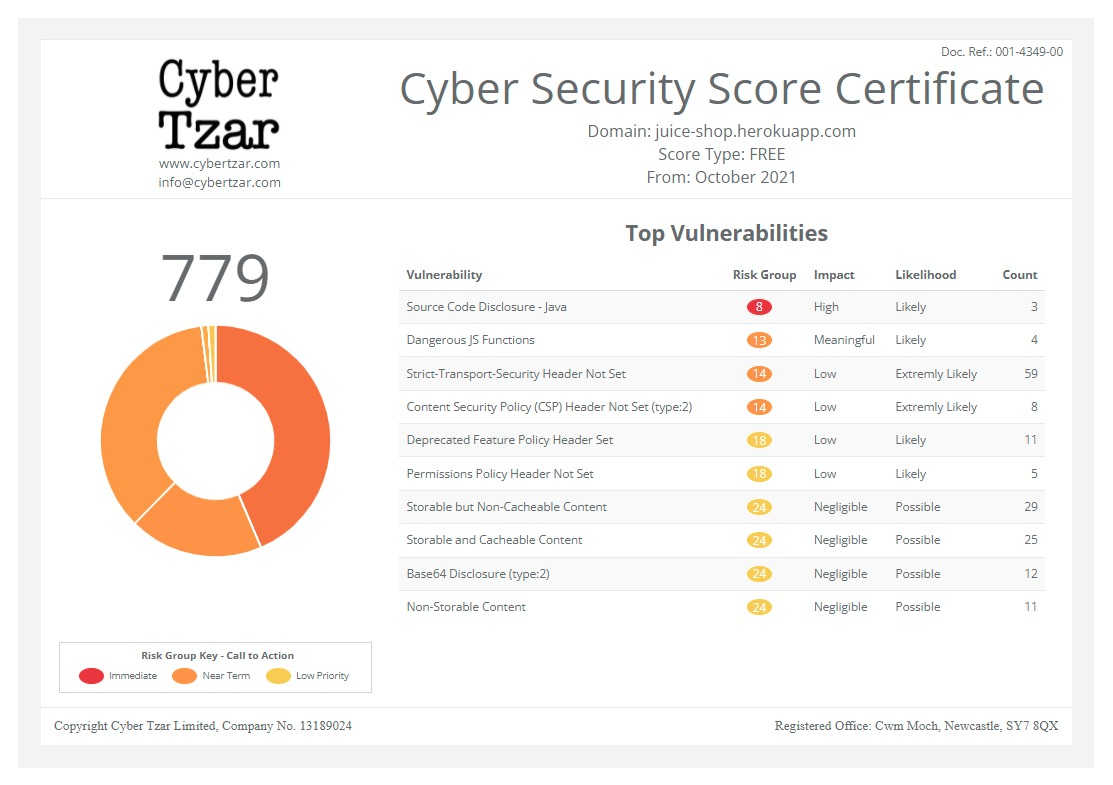
First slide label
Some representative placeholder content for the first slide.
Second slide label
Some representative placeholder content for the second slide.
Third slide label
Some representative placeholder content for the third slide.
Home Builders Lose, Drivers May Win in Indy’s 2026 Budget
published on 2025-10-10 14:35:37 UTC by Snutz37Content:
CorrectionAn earlier version of this story featured a quote from an individual incorrectly identified as the communications director for the Indiana Forest Alliance.
Indianapolis Mayor Joe Hogsett issued a request this year that was straightforward yet challenging to implement. Even with a much lower tax revenue projection, the mayor aimed to approve a balanced 2026 budget without increasing taxes or reducing essential city services.
The Indianapolis City-County Council approved a $1.7 billion plan on October 6.2026 budgetthat met those requirements while boosting investment in public safety projects. However, the councilors did need to cut funds for certain agencies and increase fees for building permits for homes and businesses to address a $43 million budget shortfall partly due to Senate Enrolled Act 1.the state-wide tax overhaul initiative passed by Indiana Republicans.
Begin your day with more knowledge. Receive all the essential news in your inbox every morning.
The budget was approved 17-8 on Monday night, with all six Republican council members and two Democrats casting votes against it. The two Democrats who voted against the budget — Councilor Crista Carlino from District 11 and Councilor Jesse Brown from District 13 — alsorequested Hogsett to step downearlier this year regarding his management of sexual harassment claims within his administration. Both mentioned that the Marion County sheriff’s cooperation with Immigration and Customs Enforcement in deportation activities was a factor in their decision.
However, a third Democrat, Councilor Andy Nielsen from District 14, who had urged Hogsett to step down this year, supported the budget and criticized councilors who presented a mostly unfavorable image of the city in their public statements.
Republicans justified their “no” votes by stating that additional funds should be allocated to infrastructure, while reducing spending on unproven “wish list” initiatives such as grants that support community-based violence prevention programs. Some also supported SEA 1 for its role in reducing property taxes for struggling homeowners and businesses.
“We discuss ‘revenue challenges.’ Let’s be very clear: Senate Bill 1 and reduced property taxes result in more money for our residents, which I endorse,” said District 21 Councilor Joshua Bain, a Republican who opposed the budget.
Following months of discussion, here are the victors and those who fell short in the 2026 budget:
Winners
Police and fire
Only local law enforcement and the fire department were excluded from the cost-cutting measures requested by the mayor for most city officials.
The Indianapolis Metropolitan Police Department, the Marion County Sheriff’s Office, and the Indianapolis Fire Department account for over 40% of the city’s overall budget. Their funding was approved to rise by 6-10% in 2026.
For example, IMPD’s budget will rise by 6% from the previous year to $358 million, a figure that has grown by 46% since 2023.
Critics such as Brown opposed the choice to allocate funds for all 1,743 IMPD officers, pointing out that IMPD has had fewer than 1,500 officers on staff over the last two years and suggesting that the money might be more effectively used in other areas.
We are currently considering a budget that continues to support the sheriff’s office despite their ongoing collaboration with ICE,” Brown stated. “We are looking at a budget that allocates funds for hundreds of police officers who don’t actually exist.
But according to IMPD’s union agreement, the city must allocate funds for the complete number of officers, leaders state. Most of the remaining money from vacant positions is utilized tocompensate staff members for working extra hours.
Gun violence reduction efforts
Alongside these significant public safety investments, the city will also allocate $4.5 million to back initiatives aimed at preventing gun violence, including theIndy Peacemakers— individuals in community areas who strive to reduce violence among vulnerable groups.
City authorities credit IMPD and local community groups with playing a key role in decreasing firearm-related fatalities in recent years. Following a significant increase to approximately 250 criminal homicides in 2021, the number dropped below 175 in each of the last two years and is expected to be even lower in 2025, as per IMPD statistics.
Nevertheless, the count of criminal homicides has continued to be higher than it was before the pandemic, when the number consistently remained under 160.
Indianapolis road users
The city is working towards securing an additional $50 million in yearly state funding by 2027 to fix Indianapolis’ roads, though achieving the entire amount will be difficult.
House Enrolled Act 1461allows Indianapolis to receive as much as $50 million from a statematching grant programBeginning in June 2027, however, the new law includes certain conditions. To qualify for the full amount, the city is required to allocate $50 million in “new revenue” for road enhancements. This implies that the Hogsett administration cannot merely transfer funds from its current public safety or transportation budgets to meet this target.
In 2026, the city plans to allocate $10 million in additional income tax revenue to launch this fund. Before the matching grants become available, DPW will utilize this funding for repairing damaged roads.
IndyStar was informed by Dan Parker, Hogsett’s Chief of Staff, that a significant portion of the remaining $40 million required to secure the full state match will be sourced from increased income tax revenue generated within the city. However, this approach relies on the city maintaining its growth in both population and employment opportunities offering higher salaries.
In total, DPW’s 2026 budget amounted to $257 million, a figure that Parker points out is more than three times the department’s budget in 2016 when Hogsett assumed office. As part of this funding, the city will introduce its newsnow removal procedure beginning this winterand till all roads once four inches accumulate.
Indy’s homeless neighbors
The city plans to allocate approximately $10 million to initiate a new project aimed at moving over 300 individuals residing outdoors into stable housing, along with reserving $1.5 million for free legal assistance to tenants at risk of being evicted, as part of various initiatives to address homelessness.
Streets to Home IndyThe three-year initiative aimed at eliminating long-term homelessness, spearheaded by the nonprofit Coalition for Homelessness Intervention and Prevention, may reach a maximum cost of $50 million. As both the federal and state governments have shown reluctance toward “Housing First” strategies for addressing homelessness, the city and private donors are the primary supporters of the program.
That funds are timely as more and more of the approximately1,800 individuals experiencing homelessnessin Indianapolis, individuals who are without shelter reside in tents, vehicles, or vacant structures.
Losers
Local authorities affected by SEA 1, state funding reductions
Due to the Indiana General Assembly’s property tax reform law and additional reductions for local governments, state legislators implemented changes this year that will impact agencies throughout Indianapolis.
City Controller Abby Hanson stated that Indianapolis will lose approximately $10 million in previously anticipated property and income tax revenue for 2026 due to SEA 1. Although tax collections are expected to increase slightly, Hanson noted that SEA 1 reduced revenue estimates by around $20 million in 2027 and approximately $30 million in 2028.
The impact of state funding reductions is evident in the choices made by local organizations such as the Health and Hospital Corp. of Marion County, the independent public body responsible for managing Eskenazi Hospital and the county’s health department.
After the state reduced a $38 million annualpayment for low-income patientsAt Eskenazi Hospital, HHC will cover the majority of the shortfall next year by maximizing its property tax levy — the amount it can collect from the countywide pool of property tax revenue. Property taxes for Marion County residents will not go up with the levy increase, but HHC will effectively divert funds from other public organizations that depend on the same revenue.same pool of dollars, including the city.
HHC Chief Financial Officer James Simpson mentioned during a presentation on September 17 that funds accessible to other public organizations, such as schools and libraries, might decrease by approximately 1% or $16 million.
Home and business builders
Starting in 2026, the Department of Commerce and Community Services will more than increase some of its permit feesfor constructing or expanding residences and commercial properties — increased expenses that are expected to be transferred to home purchasers and tenants.
The city will impose higher fines for zoning infractions, including issues that disturb the neighborhood and unauthorized land activities, along with introducing new charges for building re-inspections and breaches of stop-work directives.
The cost of the new construction permitVary depending on the type of structure and its size. For example, the costs for the plan review and structural fee permits required to construct a new 2,500-square-foot home would increase by more than double, from approximately $430 to over $1,000. The fees for these same two permits on a new 25,000-square-foot commercial or multi-family apartment building would nearly triple, rising from around $1,700 to $4,800.
DBNS Director Abbey Brands stated that the agency’s current fees are no longer sufficient to cover the expenses of delivering services. Fines for certain zoning infractions have not been updated since 1988, and the charges for building permits were last revised in 2010.
Protesters demonstrating against the sheriff’s participation with ICE Individuals rallying against the sheriff’s collaboration with ICE Demonstrators opposing the sheriff’s ties to ICE People gathering to protest the sheriff’s involvement with ICE Activists standing up against the sheriff’s engagement with ICE
The Marion County jail’s detention of ICE prisoners involved in President Donald Trump’s large-scale deportation initiatives received some of themost severe feedback at budget hearings.
Councilors expressed understanding for residents who wanted them to delay Sheriff Kerry Forestal’s budget unless he agreed to stop housing ICE detainees. However, only two councilors, Brown and Carlino, voted against the budget while referencing the sheriff’s collaboration with ICE, whereas most decided that the sheriff facedtoo harsh a danger from government officials to alter course.
Attorney General Todd Rokita has already filed a lawsuit against theMonroe County and St. Joseph County sheriffsdue to their supposed failure to cooperate with ICE.
The Marion County Adult Detention Center has housed over 800 ICE detainees as of mid-September 2025, with the majority being men from Mexico or Central America, as reported by IndyStar based on obtained records. While many have remained in the county jail for a few days or weeks, some have been held for more than five months.
The federal immigration agency compensates the sheriff’s department $75 daily for every individual detained in the jail, resulting in over $1.2 million in costs by August, according to records from the sheriff’s office.
Indy’s urban forest advocates
Environmental activists once more faced rejection in their effort to have the city allocate $3 million in the 2026 budget for acquiring and preserving some of the remaining.urban foreststhroughout Indianapolis, many of them located on private land and at risk of being demolished due to commercial construction.
The Indiana Forest Alliance reports that tree coverage accounts for roughly 27% of Marion County, a decline from 32% observed ten years prior. The organization is encouraging the city to acquire and protect privately owned forested areas due to the environmental advantages such as improved air quality and enhanced stormwater management, along with health benefits for residents lacking access to green spaces.
For many years, the Indiana Forest Alliance and our collaborators have been advocating for dedicated, ongoing funding to support urban forest conservation,” said Dave Seastrom, Executive Director of IFA, in a statement. “We have pinpointed several important forests that require protection. Some of these may be lost to development before next year’s budget unless the city takes measures.
However, city officials have offered some compromises to the forest supporters, as stated by a spokesperson for the mayor. She mentioned that $3 million allocated for “urban forest and land conservation” remains unspent, and the DPW intends to allocate $4 million toward this matter in the coming four years.
The City-County Council Democrats announced in a press release on Monday that they aim to establish “the city’s first permanent fund focused on tree and forest conservation” by the end of this year.
Email the Indianapolis City Hall Reporter Jordan Smith atJTsmith@gannett.com. Follow him on X:@jordantsmith09
This piece first was published on Indianapolis Star:Home developers face setbacks, while drivers could benefit from Indy’s 2026 budget. Here’s what you need to be aware of.
The post Home Builders Lose, Drivers May Win in Indy’s 2026 Budget appeared first on FondTimes.
https://fondtimes.com/2025/10/10/home-builders-lose-drivers-may-win-in-indys-2026-budget/
Published: 2025 10 10 14:35:37
Received: 2025 10 10 18:39:33
Feed: CyberPunk
Source: CyberPunk
Category: Cyber Security
Topic: Cyber Security
Views: 5
