Welcome to our
Cyber Security News Aggregator
.Cyber Tzar
provide acyber security risk management
platform; including automated penetration tests and risk assesments culminating in a "cyber risk score" out of 1,000, just like a credit score.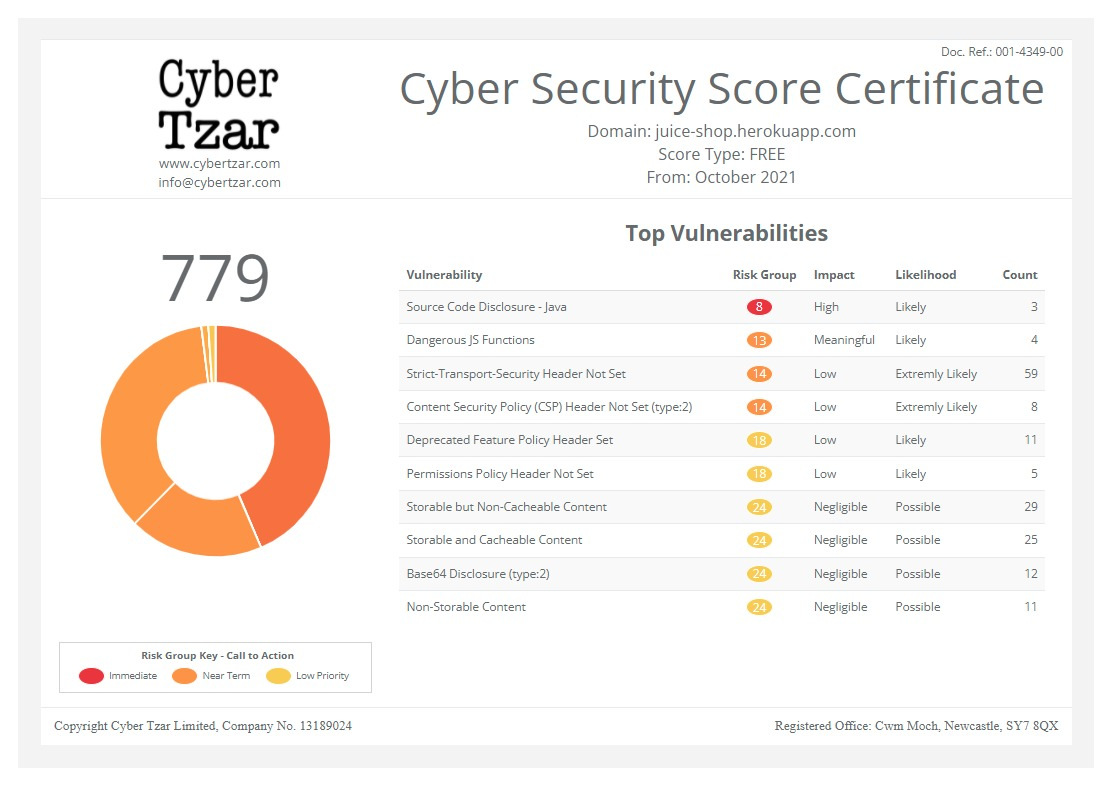
First slide label
Some representative placeholder content for the first slide.
Second slide label
Some representative placeholder content for the second slide.
Third slide label
Some representative placeholder content for the third slide.
Ransomware gets personal: 'We-know-where-you-are kind of stuff'
published on 2026-10-14 05:00:00 UTC byContent:
Tim Beasley, a senior incident response consultant at Semperis, was investigating a cyberattack involving Russia’s Midnight Blizzard when a package containing nesting dolls and other regional gifts showed up on his doorstep. At the time, Beasley served as the lead investigator for Microsoft’s Detection and Response Team (DART). He assumed it was from the group, which has been linked to the Kremlin’s Foreign Intelligence Service (SVR), although the sender didn’t leave a note. “Just little souvenirs and gift basket stuff from that area of the world,” he told The Register. “We-know-where-you-are kind of stuff. It’s a real eye-opener when you get that type of thing.” While digital intrusions having physical consequences is nothing new, cybercriminals in recent years have turned to real-life harm and mental and physical trauma to force victims into paying extortion demands. Some groups even use cybercrime as a gateway drug to real-life violence. Over the summer, Europol and its partners' investigators flagged 4,340 “horrific” URLs for removal as part of an ongoing crackdown on The Com (short for community), a loosely knit network of online groups whose young members participate in a range of illicit activities including hacking, swatting, digital extortion, real-life shootings, and other physical violence. “We’ve seen violence as a service get used,” Beasley said. He’s also investigated ransomware attacks where C-suite executives receive pictures of their kids’ schools directly from the cybercriminals in an attempt to apply psychological pressure to pay the extortion fee. “I've seen threats involving people's families, from social media reconnaissance, and in our world you more and more come to expect it, which is unfortunate,” Beasley said. This type of psychological intimidation and harm against victim companies’ employees has seen an uptick in the last several years to the point where it's almost common. Thirty-seven percent of ransomware attacks involved psychological or physical threats against staff, according to Semperis’ annual ransomware risk report. The global study of 1,200 post-ransomware organizations conducted over the first half of the year found attackers threatening psychological intimidation (23 percent) and physical threats (17 percent), to force payment. They are not only targeting executives and staff, but also families of their victims. A quarter of these victims experienced doxxing – posting individuals' personal details, such as names, home and work addresses, and phone numbers online – while another 25 percent had to seek psychological and/or medical treatment in response to ransomware infections. Nearly the same number (24 percent) hired personal security teams, while 23 percent experienced swatting calls – that's when attackers phone emergency services and report a bogus incident like a bomb or active-shooter threat to trigger an armed response. Additionally, more than half (53 percent) of respondents reported that ransomware attackers carried through on threats in the past year. Some of these threats reported by ransomed organizations’ employees include: threatening texts, letters, or packages: 57 percent threats against family or friends: 37 percent physical intrusion: 19 percent abduction: 17 percent bodily harm: 13 percent stalking: 6 percent. “It's the more well-known groups,” using psychological and physical threats to force payments, Beasley said. “I've seen Scattered Spider, I've seen ShinyHunters, I've seen Lapsus$.” For what it's worth, ShinyHunters claimed in an exclusive interview with The Register that they “don't attack human beings.” They did, however, admit that “there are times in the work we do sometimes we have to push the corporate to the absolute limit to get them on the table.” The takeaway for defenders and executives from this report is to “stand your ground,” Beasley said. “Don’t buckle under the pressure, and just know that you know it's going to be okay. If you feel like you're under duress, then by all means get law enforcement involved. Don't be afraid to call the cops. Don't be afraid to get the FBI involved, sooner rather than later. And don’t pay them.” This last piece of advice is important, as once you pay, they're going to come back for more. Semperis’ report found that 69 percent of surveyed ransomware victims were targeted multiple times within the past 12 months, and 31 percent made multiple payments to attackers. “Don’t pay anything,” Beasley said. “Never pay them.”®
https://www.theregister.com/cyber-crime/2026/10/14/ransomware-gets-personal-we-know-where-you-are-kind-of-stuff/5302939
Published: 2026 10 14 05:00:00
Received: 2026 10 14 05:01:36
Feed: The Register - Security
Source: The Register - Security
Category: Cyber Security
Topic: Cyber Security
Views: 0
