Cyber Security News Aggregator
.Cyber Tzar
provide acyber security risk management
platform; including automated penetration tests and risk assesments culminating in a "cyber risk score" out of 1,000, just like a credit score.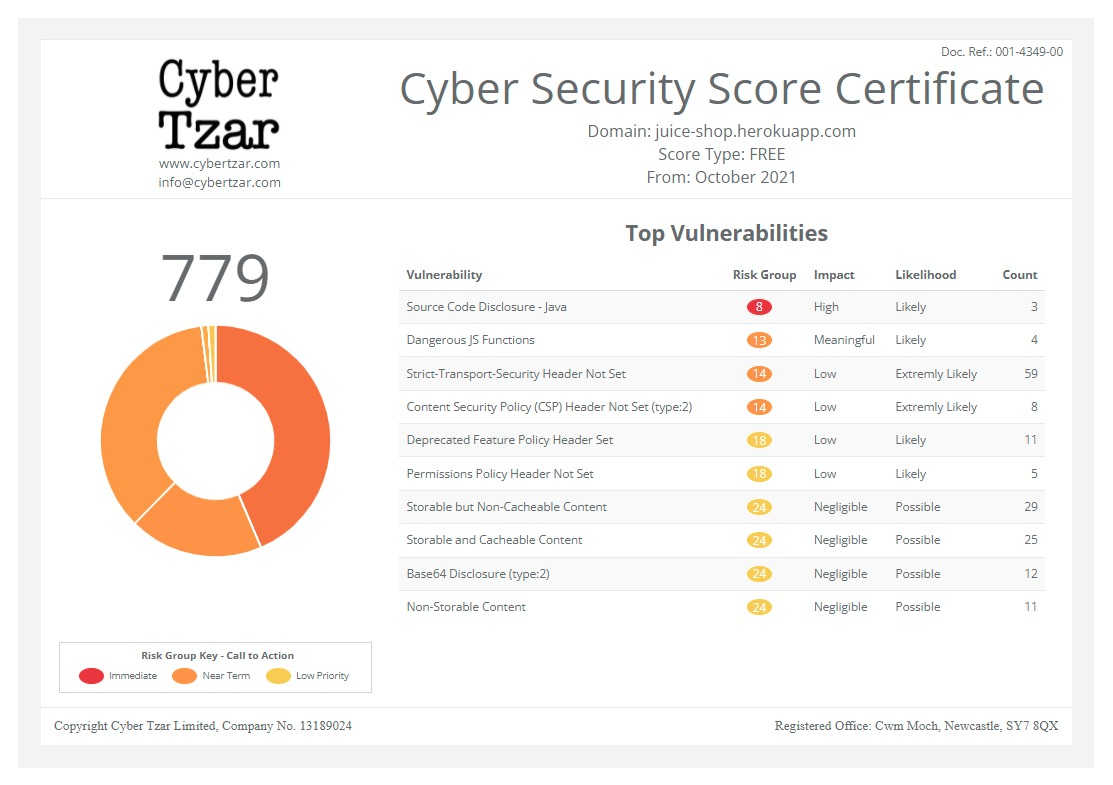
First slide label
Some representative placeholder content for the first slide.
Second slide label
Some representative placeholder content for the second slide.
Third slide label
Some representative placeholder content for the third slide.
One in four lone workers lack confidence in safety tools
published on 2026-11-12 07:45:00 UTC by Mark FletcherContent:
New research from Securitas UK suggests there is a gap between the safety technology organisations provide and the confidence lone workers have in using it effectively.
In a survey of 500 UK lone workers, a quarter (25%) said they lack confidence that the safety tools provided by their employer would protect them in an emergency, while one in five (20%) are not comfortable using the tools they have been given.
A third (33%) also said they never check in during their shifts, potentially leaving employers with limited visibility of their safety and wellbeing.
Simply providing safety technology is not enough to ensure employees feel protected.
Lone workers need to understand how to use the tools available to them and know that help will be there when they need it. Otherwise, even effective technology may not be used to its full potential.
Gary Agnew, Head of Solutions at Securitas UK, said: “Technology has transformed the way organisations can support lone workers, but providing technology isn’t the same as supporting safety.
“Employers can invest in the best tools available, but if people don’t trust them or aren’t confident using them under pressure, their value is significantly reduced.”
Raise an alarm
Modern lone worker technology can provide employees with a quick and discreet way to raise an alarm if they feel threatened, unsafe or experience a medical emergency.
Connected monitoring services can then support rapid escalation, helping organisations respond more quickly when incidents occur.
Monitoring can also provide employers with greater visibility of lone worker location and status, helping them understand when employees may be exposed to higher-risk situations.
Records of alarms, welfare checks and incident responses can help identify recurring risks and inform improvements to existing safety arrangements.
However, the research suggests that employers also need to consider how technology is introduced and supported.
Appropriate training, regular testing, clear response procedures and ongoing communication all have a part to play in ensuring employees can use their equipment confidently and understand what happens when they raise an alarm.
Agnew added: “If someone hesitates to use their safety equipment because they’re unsure what will happen next, that’s a problem. Employers need to know that their arrangements work in practice, not just on paper.
“It’s worth asking whether people are comfortable with the equipment they’ve been given and whether they would actually use it in an emergency. Those are questions that can easily get overlooked once the technology is in place.”
https://securityjournaluk.com/lone-workers-lack-confidence-in-safety-tools/
Published: 2026 11 12 07:45:00
Received: 2026 11 12 07:45:46
Feed: Security Journal UK
Source: Security Journal UK
Category: Security
Topic: Security
Views: 0
