Welcome to our
Cyber Security News Aggregator
.Cyber Tzar
provide acyber security risk management
platform; including automated penetration tests and risk assesments culminating in a "cyber risk score" out of 1,000, just like a credit score.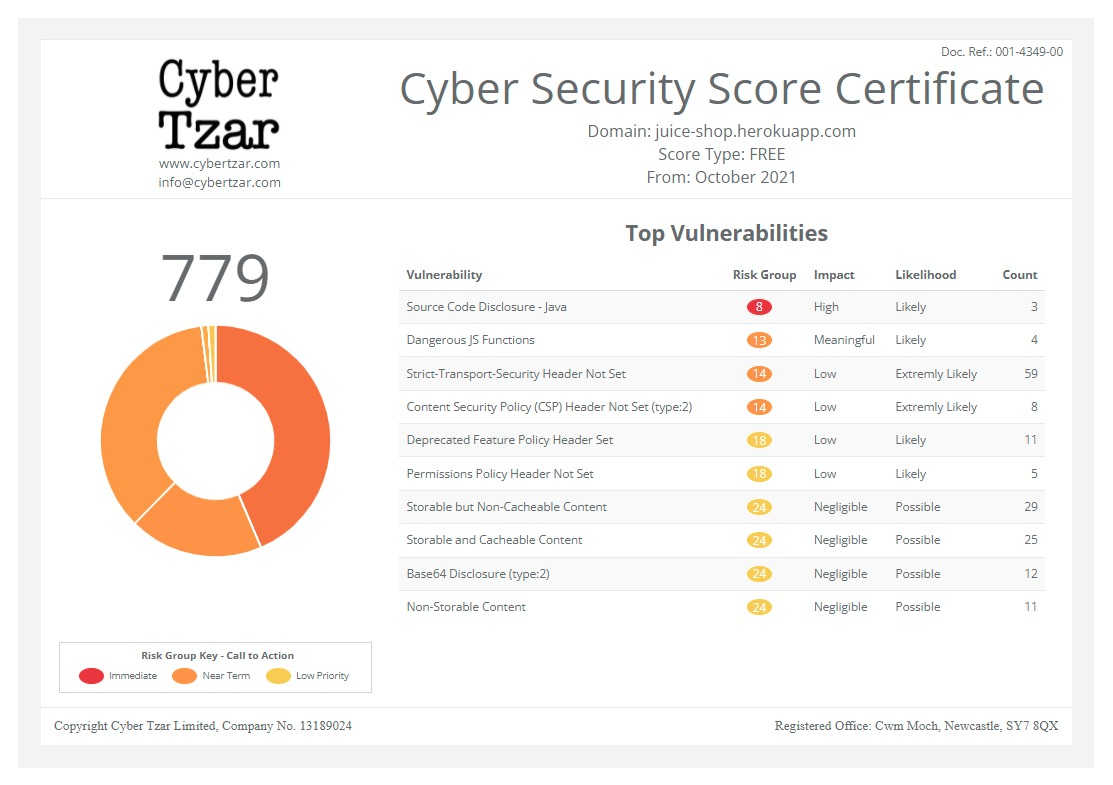
First slide label
Some representative placeholder content for the first slide.
Second slide label
Some representative placeholder content for the second slide.
Third slide label
Some representative placeholder content for the third slide.
Bulgaria evicts cyber snoops who lurked inside government networks for 5 years
published on 2026-11-23 17:01:00 UTC byContent:
The Ancient Thracian heartland of Bulgaria says it has shut down a cyberespionage operation that gave intruders access to government networks for five years – the longest-running known campaign against its administration. Bulgaria's Ministry of Innovation and Digital Transformation said the unauthorized and officially unattributed attackers first gained access to infrastructure used by government institutions to exchange information in 2021. It explained that the intrusion went unnoticed for so long because "the previous means of protection did not work as a single, integrated system," and that without a new, recently installed product, it may have gone undetected for much longer. "The incident was discovered thanks to the new national cybersecurity system, which for the first time provides a single picture of what is happening in state networks," the ministry added. "Without it, this activity would most likely have remained hidden for an indefinite period of time." Bulgaria acknowledged that "sensitive information related to the work of the state" was accessed, but did not specify the scale of the compromise. Innovation and Digital Transformation Minister Ivan Vasilev said attackers had downloaded more than 130 GB of data over five years. He also put the volume at 62 million pages. The Register contacted the Bulgarian government for confirmation of these numbers. The ministry said that it has not yet found any evidence that citizens' personal data was compromised, and that the affected infrastructure "will be under increased surveillance for 90 days" in case the attackers try to regain access. Vasilev said multiple international hacking groups had accessed government systems since 2021. He did not specify the names of these groups, however, nor did he name any specific countries that may have been involved. In a follow-up interview with bTV, Vasilev blamed political instability and frequent changes of ministerial leadership for leaving government systems inadequately protected. A representative of the Progressive Bulgaria party, which back in May won Bulgaria's eighth general election in five years, Vasilev said the "constant change of leadership" means "important things for the state do not actually happen." Vasilev said the intrusion was discovered over the summer as the national cybersecurity system was upgraded, and that teams had spent the past three to four months removing the attackers. ®
https://www.theregister.com/security/2026/11/23/bulgaria-evicts-cyber-snoops-who-lurked-inside-government-networks-for-5-years/5311629
Published: 2026 11 23 17:01:00
Received: 2026 11 23 17:01:15
Feed: The Register - Security
Source: The Register
Category: News
Topic: Cyber Security
Views: 0
